
Cinematic Visuals in Music: The Cathedral of Broken Hearts
Updated: Aug 7
Music, Story, and Cinematic Visuals in Cathedral of Broken Hearts
Music has the power to create places that do not physically exist. A melody can open a memory, a lyric can become a room, and a single visual can transform a song into part of a much larger story. For Cathedral of Broken Hearts, music and imagery are not treated as separate forms of promotion. They are designed to work together as parts of one evolving creative experience.
Cathedral of Broken Hearts is an independent music and multimedia storytelling project combining emotionally charged heavy music, cinematic visuals, concept albums, original characters, and the interconnected dark-fantasy setting known as Cathedral World. Every album introduces a different emotional or narrative direction, while the visuals help reveal the atmosphere, locations, and stories surrounding the music.
Understanding Cathedral of Broken Hearts
The name Cathedral of Broken Hearts reflects the central emotional idea behind the project: damaged experiences can still hold meaning, beauty, faith, memory, and the possibility of rebuilding.
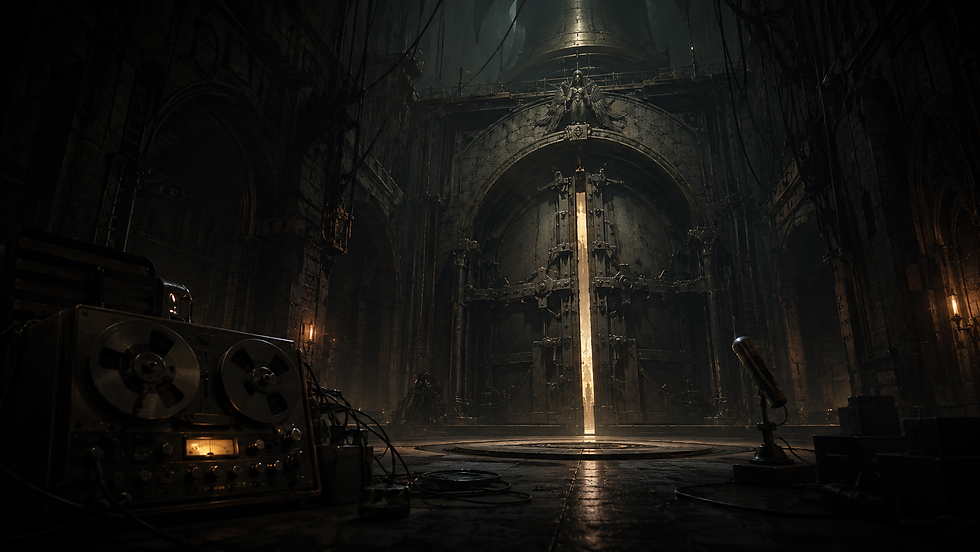
Within the larger creative world, the Cathedral is more than a metaphor. It is also a recurring location, symbol, and narrative force. It appears through album artwork, Archive Entries, characters, visual films, recovered records, and connected stories.
The Cathedral can represent many things:
A place where memories are preserved
A structure built from grief, devotion, and endurance
A refuge that may also conceal difficult truths
A destination every path eventually approaches
A symbol of what remains after something has been broken
Its meaning changes from album to album and from character to character. No single interpretation completely explains it.
The Emotional Architecture
The music of Cathedral of Broken Hearts is built around emotional contrast. Quiet passages, intimate vocals, atmospheric textures, and restrained instrumentation can suddenly give way to heavy guitars, orchestral swells, aggressive percussion, layered voices, or cinematic climaxes.
Foundations of Experience
The emotional foundation of the project includes heartbreak, grief, devotion, faith, betrayal, silence, conflict, resilience, and the struggle to rebuild after life changes.
These themes are not limited to romantic loss. A broken heart may come from damaged trust, unanswered prayer, isolation, injustice, memory, spiritual conflict, or the loss of a former identity.
Windows of Memory
Memories frequently appear as fragments rather than complete explanations. They may surface through a lyric, a recurring melody, an image, a damaged recording, or an Archive document.
Like light passing through fractured stained glass, each fragment reveals part of the truth while changing how the larger story is understood.
Echoes of the Past
Recurring sounds and images create continuity across the project. Bells, whispers, rain, radio transmissions, footsteps, distant choirs, machinery, static, and empty corridors suggest that the past has not disappeared.
It continues to echo through the present.
The Role of Cinematic Visuals
Cinematic visuals expand the emotional and narrative reach of the music. Album artwork, animated covers, music videos, visualizers, promotional films, Archive cards, and story-driven sequences provide additional context without simply illustrating every lyric.
The goal is not to explain everything. It is to make the listener feel as though the song belongs to a larger place.
Creating a Visual Narrative
Storytelling Through Imagery
Each visual can reveal a character, district, relic, conflict, or moment connected to the music. A ruined city may suggest the consequences of an earlier event. A sealed document may imply that important information has been hidden. A lone figure beneath the Cathedral may introduce a story before a single word is spoken.
The images become another form of narrative.
Symbolism and Recurring Motifs
Cathedral of Broken Hearts uses recurring visual symbols to connect different releases:
Fractured stained glass
Crimson light
Bells and bell towers
Weathered documents
Broken statues
Wires and machinery
Archive seals
Empty roads
Masks, crowns, and ceremonial objects
Cathedral doors and impossible corridors
These elements can carry different meanings depending on where they appear.
Mood and Atmosphere
Color, lighting, scale, weather, and composition help establish the emotional identity of each project. Black stone, muted silver, aged parchment, deep shadow, cold mist, and restrained crimson light form part of the broader Cathedral World visual language.
Some releases may feel intimate and human. Others may become vast, orchestral, industrial, spiritual, or apocalyptic. The visual approach changes with the music while remaining connected to the same universe.
Music Videos and Visual Storytelling
Cathedral of Broken Hearts uses several types of visual content rather than relying on one standard music-video format.
Narrative Music Videos
Story-driven videos can follow characters, reveal major events, or connect multiple songs through a continuing plot.
Cinematic Visualizers
Visualizers focus more heavily on atmosphere, movement, symbolism, and environment. They allow a song to feel visually alive without requiring a traditional storyline.
Animated Album Artwork
Animated covers extend the mood of an album through subtle environmental movement, shifting light, smoke, rain, fabric, fire, or architectural details.
Archive Films and Transmissions
Short narrative clips, recovered recordings, radio broadcasts, classified messages, and Archive transmissions can introduce or connect songs while expanding the surrounding world.
Together, these formats allow each release to receive the visual treatment that best serves its identity.
Emotional Connection
The combination of music and visuals can deepen the relationship between the project and its listeners. A song may begin with a specific story, but listeners naturally bring their own memories and interpretations into the experience.
Recognition
Listeners may recognize their own experiences within themes of heartbreak, silence, devotion, conflict, faith, grief, or resilience. The surrounding visuals create a shared symbolic language without dictating one fixed meaning.
Catharsis
Heavy music can provide release, while quieter passages create space for reflection. Cinematic visuals intensify that experience by giving emotional weight a visible form.
Discovery
Because the albums, characters, and Archive records are interconnected, listeners can explore beyond an individual song. A recurring symbol may lead to another video. A character may reappear in a later project. A location introduced in artwork may eventually become central to an album.
The experience rewards attention without requiring every listener to understand every detail.
Cathedral World as a Connected Experience
Cathedral World gives the music a place to exist beyond the recording itself. It is an original dark-fantasy universe built through:
Concept albums
Singles and seasonal projects
Music videos
Cinematic visualizers
Archive Entries
Personnel Records
District Files
Character profiles
Recovered documents
Narrative audio
Graphic-novel imagery
Merchandise and physical artwork
Not every release needs to tell one continuous story. Some projects may stand independently, while others reveal important parts of the larger mythology.
The connection comes from the shared atmosphere, emotional identity, symbols, and recurring questions at the heart of the world.
The Future of Music and Visual Storytelling
As creative technology continues to develop, Cathedral of Broken Hearts can explore new ways of presenting music without abandoning the emotional foundation of the project.
Future possibilities include longer narrative films, connected visual albums, animated story sequences, interactive Archive pages, graphic-novel releases, immersive website experiences, and expanded character-driven projects.
Technology is a tool, not the identity of the work. The purpose remains the same: to create music and stories that feel emotionally honest, visually memorable, and connected to something larger.
The Role of the Website and Social Platforms
The official website serves as the central entrance into Cathedral of Broken Hearts. It can bring together embedded music, videos, album pages, Archive records, character files, news, visual artwork, merchandise, and upcoming releases in one organized experience.
Social platforms provide shorter glimpses into that world through preview clips, Archive cards, artwork reveals, release announcements, behind-the-scenes material, and audience interaction.
The website holds the complete structure. Social media opens individual doors into it.
Conclusion
Cathedral of Broken Hearts is built around the relationship between sound, emotion, story, and image. The music provides the emotional foundation. The visuals reveal the atmosphere. Cathedral World gives both a larger place to exist.
Every album opens a different door.Every image preserves another fragment.Every Archive Entry reveals part of the story.
Listeners are invited to experience the music on its own or continue deeper into the characters, locations, mysteries, and records surrounding it.
Enter the Cathedral. The story is still being written.



Comments